
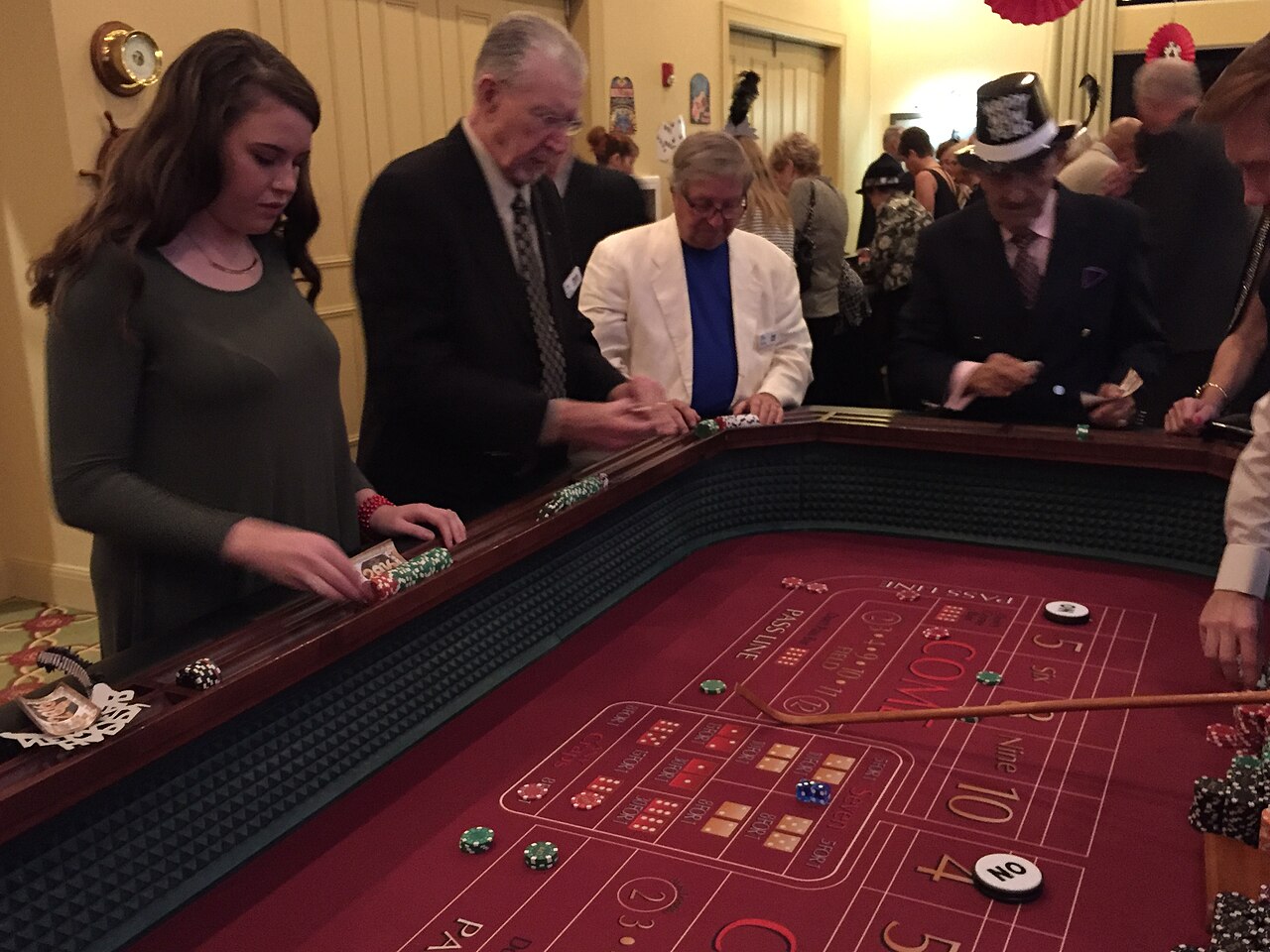
One wet Thrissur evening, one table, fifty-two rounds
Rain came over Thrissur at about four that afternoon and never properly stopped. By eight the Swaraj Round was a slow ring of headlights and standing water, the banyans near Vadakkumnathan were dripping like open taps, and the auto drivers outside the Sakthan Thampuran stand had given up on fares and were passing a flask of tea around under the shelter. I live off the Punkunnam side, ten minutes from all that. The plan for the evening had been a friend's place near Chembukavu and a Blasters match on his television, and the plan had quietly dissolved somewhere around six.
So I did what a fair number of people in this town do on a night like that. Phone propped on the arm of the chair, lobby open, and a live Andar Bahar table with a seat going. The floor on it was ₹10. I set myself at ₹100 a round, which is enough to hold your attention and small enough that a bad half hour is only a bad half hour, and I stayed at that one table for a bit under an hour while water ran off the tiles outside.
Fifty-two rounds, as it turned out. What follows is that session and the numbers underneath it. If the game is new to you — Katti to some, Mangatha to others, plain inside-and-outside in most Malayali houses — you can learn it in the time it takes the kettle to boil.
What actually happens once the dealer turns the joker
The dealer sets one card face up in the middle of the felt. That card is the joker, and for the next thirty seconds it is the only card on the table that means anything. My first round of the evening opened with a seven, and from that instant the question was simply this: which pile will the next seven land on.
Cards then go down alternately. One to the pile marked Andar, one to Bahar, one to Andar, and so on, at a rhythm you fall into after three or four rounds. Nobody hits, nobody stands, nobody folds. The dealer keeps laying cards until one of them turns up sharing the joker's rank, at which point the deal stops mid-motion and the pile holding that card takes the money.
You place your chip before the first card leaves the dealer's hand. That is the entire act of playing. There is no decision inside the round, no moment where a clever player gets an edge over a careless one, and this is exactly why the choice you make in those few seconds of betting time carries all the weight.
That first round ran nine cards before a seven of hearts dropped onto Andar. Second round, four cards. Third round ran nineteen and felt like a small event in itself, the pile on the left growing while the chat window filled with people who had taken the long count bet and were suddenly very interested. It landed on Bahar. The rhythm of the game is that mixture: a run of quick ones, then a round that stretches out and makes everyone lean forward.
The number that decided fifty-two rounds before I sat down
Here is the part almost nobody works out at the table. Andar is fed first, so it takes the first card, the third, the fifth, and every odd slot after that. Fifty-one cards remain once the joker is face up and three of them share its rank. Deal those out alternately and the first pile wins 51.50% of the time. The second pile wins 48.50%.
The table knows this, which is why Andar is priced at 0.9 to 1 while Bahar keeps a full 1 to 1. To an eye scanning the felt, Bahar looks like the better offer. It is the worse one. Run the percentages against the payouts and Andar hands the house 2.15% while Bahar hands it 3.00%.
Put that in rupees, because percentages slide off. Stake ₹500 a round for a hundred rounds and you have pushed ₹50,000 across the felt. On Andar, the maths expects that evening to cost you around ₹1,075. On Bahar, it expects around ₹1,500. Same dealer, same chair, same cards — ₹425 of difference for the sake of picking the side with the smaller sign on it. That is the whole strategy of Andar Bahar and it fits into three words: back the Andar.
I stayed on Andar for all fifty-two rounds. It won thirty of them, which is a little above the split and well inside the range of a normal hour. Fifty-two rounds at ₹100 put ₹5,200 through a 2.15% margin, and I finished the session about ₹260 down after the trimmed payouts. That is what the game costs and what it feels like: not dramatic, just a slow tide, which is precisely why the second decision matters as much as the first.
The second decision is speed, and it is the expensive one
A round runs about thirty seconds. Do the arithmetic on that and a table deals a hundred rounds an hour without hurrying. The house margin does not apply to your closing balance — it applies to every rupee you push out, round after round, all evening.
At ₹100 a round, an unbroken hour sends ₹10,000 or more through a 2.15% margin. Sit out every alternate round and you have halved that with no change at all to how the game plays or how much of it you watch. On my rainy Tuesday I did roughly that without planning to, because the phone kept buzzing and I kept missing the betting window. Fifty-two rounds in nearly an hour rather than a hundred is the cheapest thing I did all evening.
Speed is the most underrated cost anywhere in a casino, and Andar Bahar is the sharpest example of it because the game is so quick and so easy that nothing ever interrupts you. A slow table with a fat margin can be gentler on a balance than a cheap table you play at full tilt.
Why the count bets pull people in, and how the drift starts
A 2.15% margin on the main bet is genuinely good value — better than a European wheel, better than nearly everything else in the building. The card-count bets are a different animal. They pay in multiples, as far as 24 to 1 for a match that takes sixteen cards or more, and they charge a much heavier margin for the privilege.
I took one on my nineteenth round of the evening. Round three had stretched to nineteen cards, and something in me decided that meant long rounds were in the air, which it did not mean at all. ₹50 on the sixteen-plus ticket, gone in eleven cards. That is the whole shape of it: a long price on a fast game is part of why any of this is fun, and one occasionally is a perfectly reasonable thing to do.
What does the damage is drift. A player opens on the main bet, takes a count ticket for the entertainment, takes another because the first one nearly landed, and forty minutes later most of the money going out is on side bets nobody consciously chose. The cheapest table in the lobby has turned into one of the priciest and no decision was ever made. If you want the count bets in your evening, decide the number before you sit — three tickets, say — and stop at three.
The results board is a diary, not a forecast
Every table shows the last twenty or thirty outcomes down the side of the screen. It is an accurate diary of what has happened and it tells you precisely nothing about the next thirty seconds. The shoe is shuffled, the joker is pulled at random, and cards do not remember Tuesday.
A run of six on one pile puts the other pile under no obligation whatsoever. Going into round seven the split is 51.50% and 48.50%, exactly as it was going into round one. I have watched people in the chat box announce a pattern, name the side that is "owed", and double their stake on it — and this is where more money goes at fast tables than anywhere else. Not to bad luck. To a system built on a shape that was never in the cards.
If you want to use the board for something, use it as a clock. Twenty results is about ten minutes of your evening. Glance at how fast it is filling and you will know whether you are playing at a pace you actually chose.
The account behaves the same in Thrissur as it does anywhere
Nothing about that evening was specific to Kerala except the weather. The same login, the same wallet and the same tables come up whether you open the lobby in Punkunnam, in a hostel room in Pune or on the train out of Shoranur. There is no separate Thrissur build, no regional table list, no different set of limits because of where your SIM was bought.
That matters more than it sounds. Deposits move over UPI, which works identically from any bank in the country, and a ₹10 table in Kerala is the same ₹10 table a player in Coimbatore or Kolkata has open at that moment — often literally the same table, with the names in the chat box telling you as much. Balances follow the account rather than the handset, so switching from the phone to a laptop between rounds changes nothing at all.
Language and payment notes do vary a bit by region, and FairPlay India is where those are set out. The one thing worth planning around here is not geography but connectivity. Thrissur in July loses mobile signal in odd pockets when the rain is heavy, and a live table is a poor place to be when the bars drop. Play on the home connection during a downpour, and if the stream stutters mid-round, let the round finish before you touch anything — the result settles on the dealer's side, not on your screen.
If you have not opened an account yet
You cannot sit at a live table as a spectator, so the account comes first. FairPlay register walks through the whole thing, and it is short: a mobile number, an OTP, a password you have not used elsewhere, and your real name spelled the way your bank spells it. That last detail is the one people rush, and it is the one that holds up a withdrawal later.
After that, FairPlay login gets you back in on any device, and depositing over UPI takes about as long as paying for tea. Complete the verification paperwork early, on a quiet evening, rather than at the moment you want your money out — an ID and an address document, photographed in decent light, and it is done once and never again.
Then find a ₹10 table and play twenty rounds at the floor before you raise anything. Twenty rounds costs you very little and teaches you the timing of the betting window, which is the only skill the game asks for. Once the rhythm feels ordinary, move your stake to something that suits your evening. Anyone playing must be 18 or over.
The messages that arrive after a good run
Win anything visible in a live chat box and you will eventually collect attention you did not ask for. The pattern is familiar enough around here that it is worth naming plainly.
Someone offers you an Andar Bahar prediction service. A group promises tomorrow's results, a paid channel claims a tested pattern, a stranger sends screenshots of enormous wins. None of it can be real, and the reason is on this page already: the joker is drawn at random from a shuffled shoe, so there is no sequence to sell. What they are selling is a subscription, and the wins in the screenshots are somebody else's or nobody's.
Then there are the deposit shortcuts. A person in a group offers to top up your balance at a discount if you send money to their personal UPI handle, or points you to an APK on a file-sharing link because the official one is "temporarily down". Money sent to a personal number is simply gone, and a repackaged app is a credential harvester wearing familiar colours. Deposits belong inside your own account through the listed payment methods, and the app comes from the official app page, never from a forward.
Support is the third one. Nobody genuine will message you first asking for a password, an OTP or remote access to your handset, and nobody genuine needs your card in a screenshot. Real help starts from your side, through customer support inside the account. If a stranger creates urgency — a bonus expiring tonight, an account about to be frozen, a verification that must happen this minute — that urgency is the product. Close the chat and go in through the front door.
Stakes, limits and getting your money back out
Tables run upward from ₹10, and each one displays its floor, its ceiling and the side-bet paytable before you take a seat. Rounds settle the instant the matching card lands, so winnings are back in the wallet before the dealer has cleared the felt for the next joker. There is no waiting, no confirmation step, no gap where you wonder whether it went through.
Because the game moves at this pace, a session limit does more work here than at a slow table. Set one in the account before you start rather than in the middle of a bad run, when the number you pick will be the wrong one; responsible gaming lays out the tools. A withdrawal from a verified account normally lands inside ten minutes, which is quick enough that stopping while ahead is an actual option rather than a vague intention.
And if the pace is the part that does not suit you, the lobby has a slower answer at a comparable margin. The banker bet at baccarat is the nearest thing to Andar in both price and simplicity, dealt at a rhythm that gives you time to breathe between hands. Three tables along, Teen Patti takes longer still. By the time I logged out that night the rain had eased off the Round, the autos were moving again, and ₹260 was a fair price for an hour indoors.