


 Cricket
 Football
 Kabaddi
 Tennis
 Basketball
 Horse Racing
Decimal odds
The figure beside a team is what every rupee comes back as. Take Chennai at 2.14 with ₹1,000 and ₹2,140 lands in the wallet — the ₹1,000 you risked, plus ₹1,140 you did not have before.
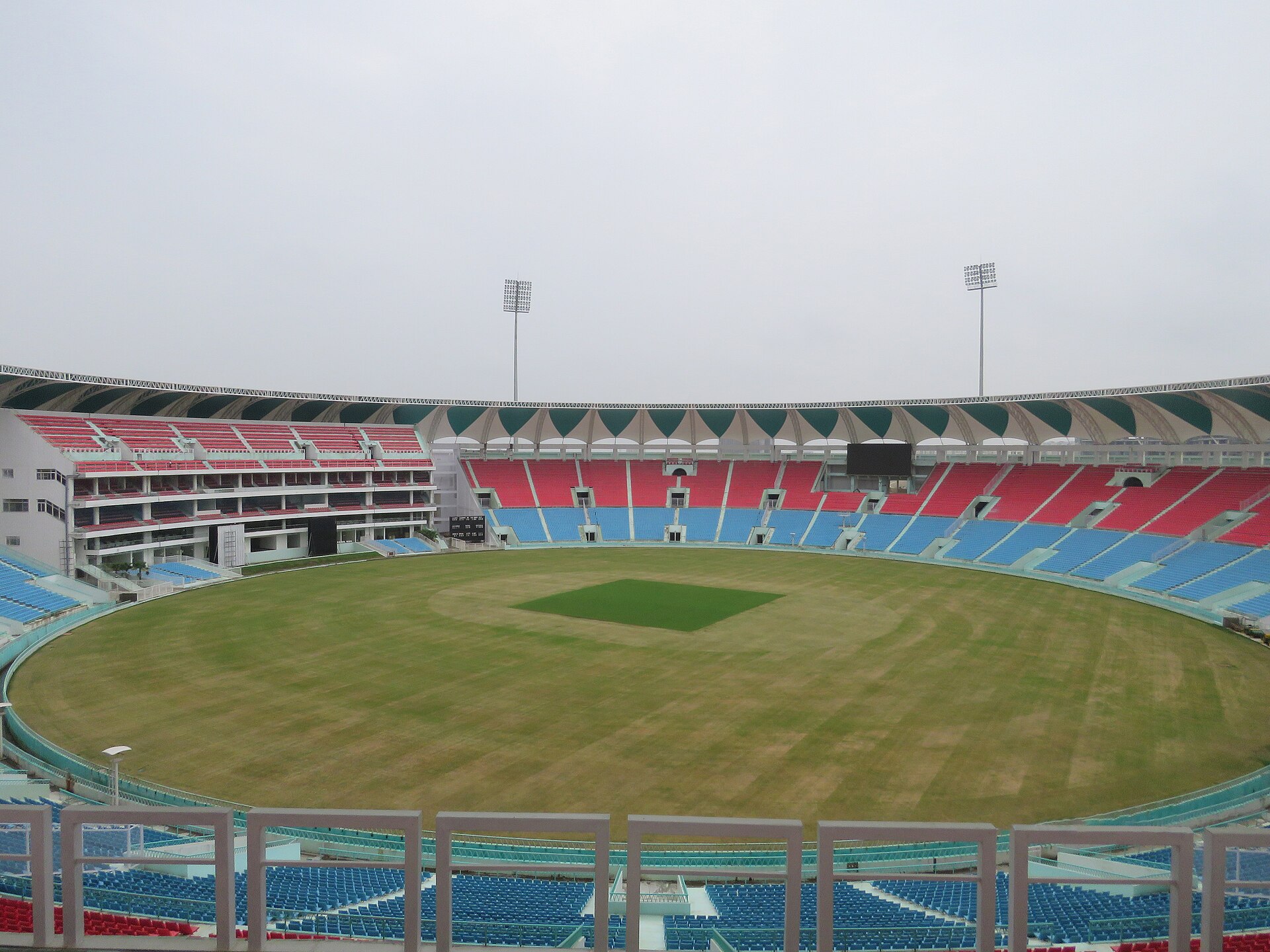
30+ Sports
Every market here is exchange priced, so you can take an outcome or stand against it, and step out halfway through if the match turns. Cricket, football, kabaddi and roughly thirty more sports run off one UPI wallet, with stakes starting at ₹100. Never read a decimal price before? The table further down is the shortest route in.
Prices shown are illustrative
Mumbai v ChennaiLive
Min 100 · Max 2,00,000
Min 100 · Max 2,00,000
Min 100 · Max 1,00,000
Min 100 · Max 50,000
Jaipur Pink Panthers v Bengaluru BullsLive
Min 100 · Max 25,000
Sports
Each one is written on its own terms — the leagues that matter, the grounds they are played on, the markets worth a second look.
Reading a Price
Decimal is the only format used across this site. Learn one price and the whole board, sport after sport, becomes readable in an evening.
| Odds | Implied chance | ₹1,000 returns | Of which profit |
|---|---|---|---|
| 1.20 | 83.3% | ₹1,200 | ₹200 |
| 1.50 | 66.7% | ₹1,500 | ₹500 |
| 1.80 | 55.6% | ₹1,800 | ₹800 |
| 2.00 | 50.0% | ₹2,000 | ₹1,000 |
| 2.50 | 40.0% | ₹2,500 | ₹1,500 |
| 3.00 | 33.3% | ₹3,000 | ₹2,000 |
| 5.00 | 20.0% | ₹5,000 | ₹4,000 |
| 10.00 | 10.0% | ₹10,000 | ₹9,000 |
Everything else is decoration; that middle column is the bet. A price of 4.00 is the market announcing a 25 percent chance. Put your own figure next to it. Higher than 25 and there is a bet worth having. Lower, and there is not — no matter how much you want the side to win.
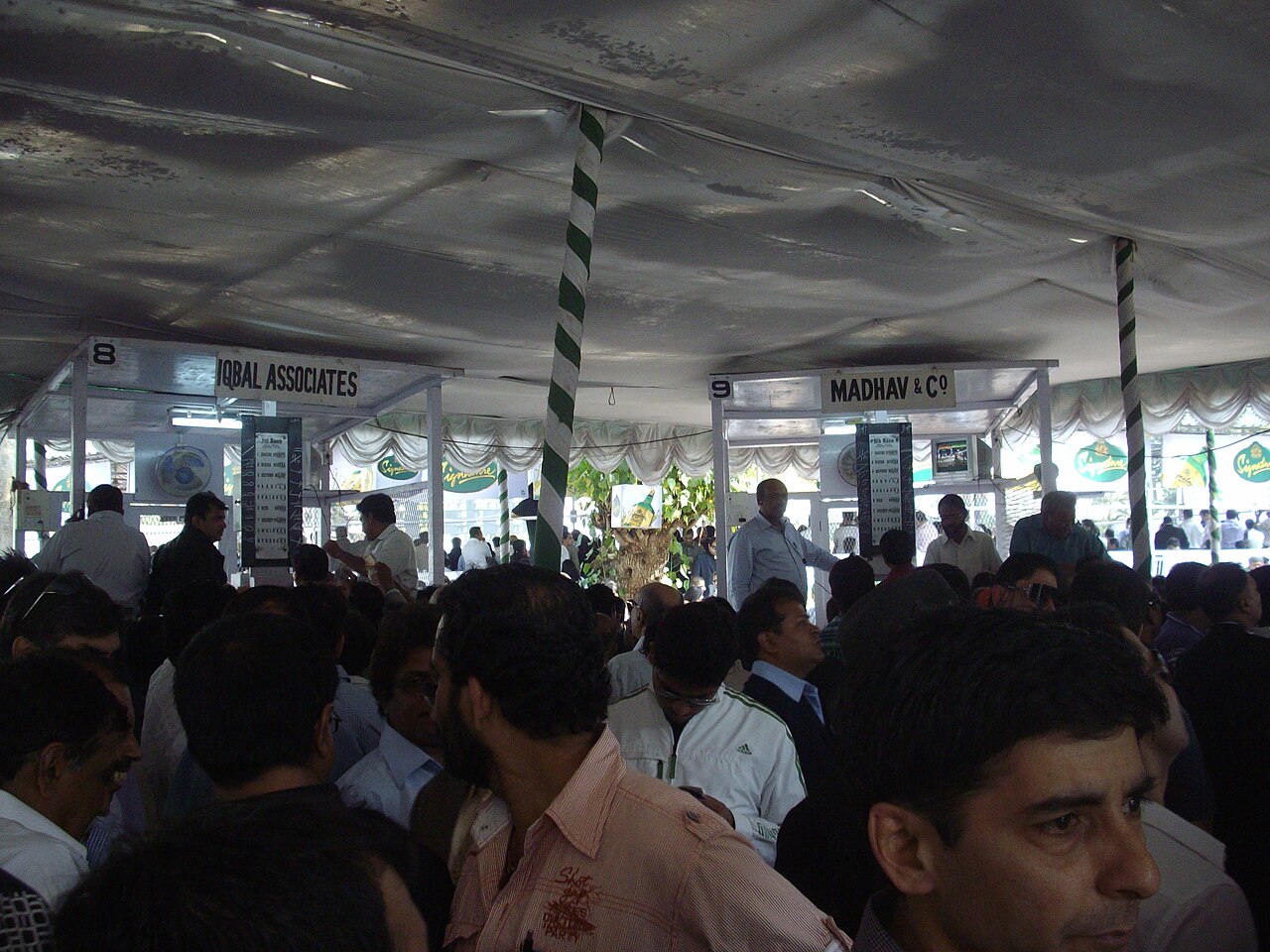
The Indian Betting Year
Indian sport keeps a rhythm. Learn it and you know which weeks are crowded with money and which ones leave prices sitting unattended.
| When | What is running | Worth knowing |
|---|---|---|
| January – February | Australian Open, India home Tests and ODIs, ISL in full swing | Gwalior fog burns off late, so the domestic cricket starts slowly and the racing carries the afternoon |
| March – May | Indian Premier League | Every phone in the country points the same way. Deepest liquidity of the year, hardest place to find a soft price |
| June – July | Overseas Test tours, Wimbledon, TNPL and state T20 leagues | Cricket goes quiet at home. State leagues and grass-court tennis take over the evenings |
| July – October | Pune monsoon racing, Asia Cup or World Cup in most years | Ground turns soft and holding, which reshuffles form lines completely |
| September – March | Indian Super League | Kick-off lands at 7:30 PM IST, which is dinner time in most Indian houses |
| October – December | Pro Kabaddi League | Followed hard in Madhya Pradesh, ignored abroad. Thin books and the best return on local knowledge |
| October – February | Ranji Trophy and domestic first-class cricket | Cricket in daylight, football and kabaddi after dark. Prices set by far fewer people than an IPL line |
| August – May | Premier League, La Liga, Champions League | Kick-offs stretch from 6:30 PM to 1:30 AM IST, so the betting day never really shuts |
The Basics
Nothing beyond this list is needed to bet sensibly. The people who lose money have usually skipped the sixth one, not the first.
The figure beside a team is what every rupee comes back as. Take Chennai at 2.14 with ₹1,000 and ₹2,140 lands in the wallet — the ₹1,000 you risked, plus ₹1,140 you did not have before.
Backing says a thing will happen. Laying says it will not, and puts you where the bookmaker normally stands. Blue cells carry back prices, pink ones carry lay. Having both is what makes this an exchange rather than a shop.
A hundred divided by the price gives the chance baked into it. Chennai at 2.14 works out near 47 percent. Your only job is deciding whether the real figure sits above that line or below it.
One selection on its own is a single. String several and every leg has to land before a rupee moves — four at 1.50 apiece multiply out to 5.06, and one wrong result takes the whole thing down.
Take a price early, lay the same selection back later at a shorter one, and the gap belongs to you whatever the scoreboard does afterwards. A bookmaker cannot offer that. Here it happens on ordinary weeknights.
Decide what a single bet is worth — one or two percent of the balance — and then refuse to move it. On ₹20,000 that means ₹200 to ₹400 a go, on the certainties and the coin-flips alike.
A roof slab in Thatipur holds the heat of the day well past nine at night. By the last week of March the Gwalior afternoon has already done its damage, dust drifts in off the Chambal side of town, and nobody goes back indoors until sleep forces the issue. Four of us were up there with a cooler that mostly rearranged warm air, a steel tumbler of nimbu paani each, and one phone wedged against the parapet because the television downstairs had been claimed for a serial.
The fixture was Mumbai against Chennai, seven-thirty. On the board Mumbai were 1.72 to back and Chennai 2.14. Not one of us had climbed those stairs with a settled opinion about either side. What we had was a clean signal, a long evening ahead, and an argument about dew that had been running since the previous season.
Ravi went first, the way he always does. He touched the blue 1.72 beside Mumbai and a slip rose from the bottom of the screen carrying the selection, that price and an empty stake box. He typed 1000. Before he confirmed a thing, the slip had already worked out what ₹1,000 at 1.72 comes back as: ₹1,720 in total, ₹720 of it profit. The floor on that market was ₹100, so he could have gone very much smaller and seen the same mechanics.
He pressed place. The bet moved into his open bets, matched, with the exposure held quietly against his balance. That is the whole of it. There is no paper ticket to guard and no one to argue with afterwards about the price you were given, because the price you took is stored to the paisa. When the match finished, the market graded against the official result and the money was sitting in his wallet before we had carried the chairs back down.
The three columns above each fixture are marked 1, X and 2 — home, draw, away. Cricket leaves the middle one empty, because a T20 is not going to end level. Football fills all three, which is why an Arsenal fixture shows a third price where a Mumbai fixture shows a gap. Beside each match sit the limits: ₹100 minimum on that Mumbai v Chennai market and ₹2,00,000 at the top end, with smaller ceilings on the thinner books like a Pro Kabaddi tie.
A live tag means the match has started and the numbers are moving in real time. Everything else on the board is a fixture waiting its turn. Once you can read those few things, a screen that looked like a share terminal turns into something closer to a menu.
Chennai lost a wicket early and the price on Mumbai tightened, while the 2.14 on the other side drifted out. This is the part first-timers skip past. A price is not a verdict on the match. It is what everybody else currently believes, redrawn ball by ball, and it shifts whether or not you agree with the reasoning behind it.
Ravi could have laid Mumbai back on the pink side at the shorter number and walked away with the gap locked in, whichever way the chase went. He chose not to, because he wanted to watch a run chase rather than manage a position. The choice itself is the point. On an exchange it is yours to make; with a bookmaker there is simply no other side to take.
Add the implied chances across a two-way market and honest arithmetic should land on 100 percent. A bookmaker quoting 1.90 and 1.90 is claiming 52.6 percent for each side, which totals 105.3 percent. That surplus 5.3 percent is theirs before a ball is bowled, and you hand it over on every bet, winners included.
The same market at 1.98 and 2.02 comes to roughly 100 percent, because nothing is standing opposite you clipping the odds. Another user holds the other side and commission comes off net winnings instead. That is a different arrangement altogether from a margin folded into every figure you are shown.
Put ₹10,000 on a cricket market at 1.90 with a bookmaker and a winner pays back ₹19,000. The identical opinion at 1.98 pays ₹19,800. That ₹800 has nothing to do with insight, form study or luck. It is a consequence of where the bet was placed and nothing else.
Do that twenty times across one IPL and you finish ₹16,000 ahead without having read a single match better than the man beside you on the terrace. Price is the only part of this fully inside your control, and it is the part almost nobody bothers to improve.
Anil watched the second innings from a train coming back out of Bhopal. Same login, same board, the same 1.72 he could have taken on the terrace. A FairPlay account is a national one — markets, minimums, deposit routes and withdrawal times are identical whether the phone is in Gwalior, Indore, Chennai or a hotel room in Guwahati.
There is no local pricing here, no city tier, no separate rate because a town is smaller. A UPI app on a Gwalior handset reaches the same cashier as one in Mumbai, and money returns to a branch on Jayendraganj at the same speed it returns anywhere else. FairPlay India goes through how that holds up across states, languages and payment habits.
One balance covers the sportsbook and the casino too, so the ₹720 won on a Tuesday sits ready for a football card on Wednesday with nothing shifted between wallets. Travel does not reset your history either. Open bets, settled bets and limits follow the account, not the address it was created at.
Everything above assumes a working login, so here is the short version for anyone reading this over the shoulder of a friend. FairPlay register wants a mobile number and the OTP that follows it. That is the account made. Verification — a photo ID and a bank or UPI detail — is what opens the withdrawal route, and doing it on a slow afternoon is far pleasanter than doing it at eleven at night with a winning balance and no patience left.
After that, FairPlay login is a number and a password, and the same credentials carry across the phone, the laptop and the app without a second setup. Fund the wallet with a few hundred rupees and watch one match with real stakes attached; the ₹100 minimum means a first evening costs less than the samosas that go with it, and you will learn more in those two hours than in a week of reading about it.
Ravi put a screenshot of the settled bet into a group chat. Inside two days a stranger had messaged him offering session tips for a monthly fee, and a second account claiming to be support asked him to confirm his login details so a bonus could be released.
Both are the same trick in different clothes. Nobody from FairPlay will ever ask for your password, and nobody will ever ask you to read an OTP back to them — that code exists precisely because only one person should ever type it. Deposits go through the cashier inside your own account and nowhere else. A personal UPI ID pasted into a chat window belongs to a person, not a platform, and money sent there does not come back.
Tip sellers are the slower drain. No session is fixed in a messaging group, and anyone who genuinely could call matches in advance would not be selling that ability by subscription to strangers. Treat certainty as the warning sign it is. If something about a message feels engineered, support can confirm in a minute whether it came from the platform at all.
The friend in our group who gave this up did not run out of reads. He ran out of balance during a losing run, because his stake grew every time he fell behind. Six or seven losers in a row is ordinary arithmetic rather than a slump, and it happens to people picking winners at a perfectly respectable rate.
Set a unit at one or two percent and leave it alone. On a ₹20,000 balance that is ₹200 to ₹400 a bet, applied to the ones you are sure of and the ones you are guessing at without distinction. It will feel ridiculously small on the night you are most confident. That night is exactly the reason the rule exists.
IPL markets are the deepest on the site and the hardest to beat, because the entire country is staring at them. Excellent for an evening on a terrace, poor hunting ground for an edge.
The gaps sit elsewhere. Ranji cricket runs through the cold months when the fog off the Tighra side does not lift much before ten, and a domestic first-class price is set by a fraction of the people who set an IPL one. Pro Kabaddi from October to December is followed hard across Madhya Pradesh and hardly at all outside the country, which is why local knowledge earns more there than anywhere else on the board. Racing at Mumbai and Bangalore still rewards form study that very few people do. Trade fair season fills a Gwalior December with visitors and late nights, ISL kicks off while dinner is being served, and European football waits until eleven for anyone still awake.
Every bet you have made sits in the account history with its price, its stake and its settlement. Half an hour with that page tells you what a season of watching never will — which sports you genuinely make money in, whether your in-play bets beat the ones placed before the toss, and whether your stake creeps upward on the evenings you are chasing something back.
Hardly anybody opens that page, which is the best argument for opening it. Deposit and loss limits live in the same settings menu if the numbers suggest one would help — responsible gaming lists what is on offer, and support will put a limit in place within a minute if you would rather not do it yourself. This is for adults of eighteen and over, and a warm terrace in March is a far better reason to be here than a debt is.
FAQ
Prices, margins and money, answered for somebody who has never placed a bet.
Open an account with a mobile number, confirm the OTP that arrives, and top the wallet up over UPI. Then pick a sport, find the fixture and look at the row of prices beside it. A blue cell backs that outcome; a pink cell lays it. Tap one and a slip rises from the bottom of the screen with a stake box waiting. Type an amount — ₹100 is the floor on most markets — and the slip shows the return before you confirm anything. Press place, and the bet drops into your open bets with the exposure held against your balance until the market settles.
It is your total return per rupee, stake included, not the profit on its own. At 2.50 a ₹1,000 stake gives back ₹2,500: the ₹1,000 you put in and ₹1,500 on top. Anything below 2.00 marks a favourite, anything above marks an outsider, and 2.00 flat is the market calling it even. Divide 100 by the price and you get the chance it implies — 2.50 implies 40 percent. That single division is the most useful piece of arithmetic in betting, because it turns a price into a claim you can agree or disagree with.
A bookmaker quotes both sides itself and shades the numbers so the book adds up to more than 100 percent. That surplus is the margin, and it is charged on every bet regardless of the result. An exchange has no house position — you are matched against another user who wants the opposite outcome, and the site takes commission from net winnings instead. In practice a bookmaker two-way market often sits at 1.90 and 1.90, which totals a 5.26 percent margin. The same market on the exchange might read 1.98 and 2.02, which comes to roughly nothing at all.
Enough to notice by the end of a season. Take one cricket market: 1.90 with a bookmaker against 1.98 on the exchange. Stake ₹10,000 and a winner returns ₹19,000 in the first case and ₹19,800 in the second — ₹800 more for holding exactly the same opinion about exactly the same match. Repeat that twenty times over an IPL and you are ₹16,000 ahead without reading a single game better than the person sitting next to you. Price is the one variable fully under your control, and it is the one most bettors never think about.
Laying is betting against something. Lay a cricket team and you collect if anyone other than that team wins, which in a two-sided match simply means you have backed the opposition by another route. The real value shows up in trading. Back a side at 2.20 before the chase begins, watch them get on top, then lay the same side at 1.60 once the price has shortened, and the difference is banked no matter how the last five overs go. You are no longer waiting on a result — you have already taken your money out.
Fix a unit at one or two percent of your balance and treat it as a rule rather than a suggestion. A ₹20,000 wallet makes that ₹200 to ₹400 a bet, and the figure does not move because you feel strongly about a fixture. Runs of six or seven losers happen to people who pick winners at a perfectly respectable rate; the maths guarantees it. A steady unit is what carries you through such a run with a balance still intact. Doubling up to win back a bad evening is the single most reliable way to empty an account.
Cricket, by a distance nothing else comes close to, with the IPL and India internationals doing most of the volume. Football sits second, split between the European weekend after eleven at night and ISL fixtures at Indian dinner time. Kabaddi takes third place through the Pro Kabaddi months, and because the books there are thinner, someone who genuinely follows the league is better paid for that knowledge than a cricket specialist is. Tennis, basketball and the Indian racing circuit fill whatever evenings the first three leave open.
Markets are graded against the official result, usually within a few minutes of the final ball or whistle, and the money appears in your wallet without you doing anything. Withdrawals from a verified account normally reach the bank within ten minutes, around the clock, weekends and holidays included. The heaviest traffic of the year runs on IPL nights and late European football weekends, and those are precisely the hours the payout system is built for. Completing verification early is what keeps that ten-minute path clear when you actually need it.
Explore FairPlay