
Hit and stand
Draw another card, or freeze your total and hand the decision back to the dealer. Cross twenty-one and the hand is finished on the spot, no matter what the dealer turns over afterwards.
Live dealer and RNG tables
FairPlay blackjack is the one table in the lobby that pays your attention back. Played to the chart it costs you about 0.5%, where Andar Bahar takes 2.15% and European roulette takes 2.70% however clever you are. Played on feel it costs a good deal more. What follows is the dealer bust table that produces every strategy decision, and the two buttons that separate people from their money fastest.
One Column Decides Everything
Basic strategy is not folklore handed round a table. It drops straight out of the numbers below, which say how often a dealer holding each upcard finishes over twenty-one.
| Dealer shows | Dealer busts | Read |
|---|---|---|
| 2 | 35.4% | Weak |
| 3 | 37.4% | Weak |
| 4 | 39.5% | Weak |
| 5 | 41.6% | Weakest |
| 6 | 42.3% | Weakest |
| 7 | 26.2% | Strong |
| 8 | 24.5% | Strong |
| 9 | 22.8% | Strong |
| 10 / J / Q / K | 21.2% | Strong |
| Ace | 11.5% | Strongest |
Cut the column in half and it reads itself. With a 2 through a 6 in front of them, the dealer breaks somewhere between 35% and 42% of the time, so the pressure is theirs rather than yours. That is why the chart tells you to sit on a horrible 13 against a 5. You are not building a hand there, you are declining to lose first. From 7 upwards the bust rate slides from 26.2% down to 11.5% at the ace, the dealer is comfortable, and standing on a weak total simply posts your stake over quietly. From that point you take cards, some of those cards finish you, and it is still the cheaper error.
Read The Rule Card
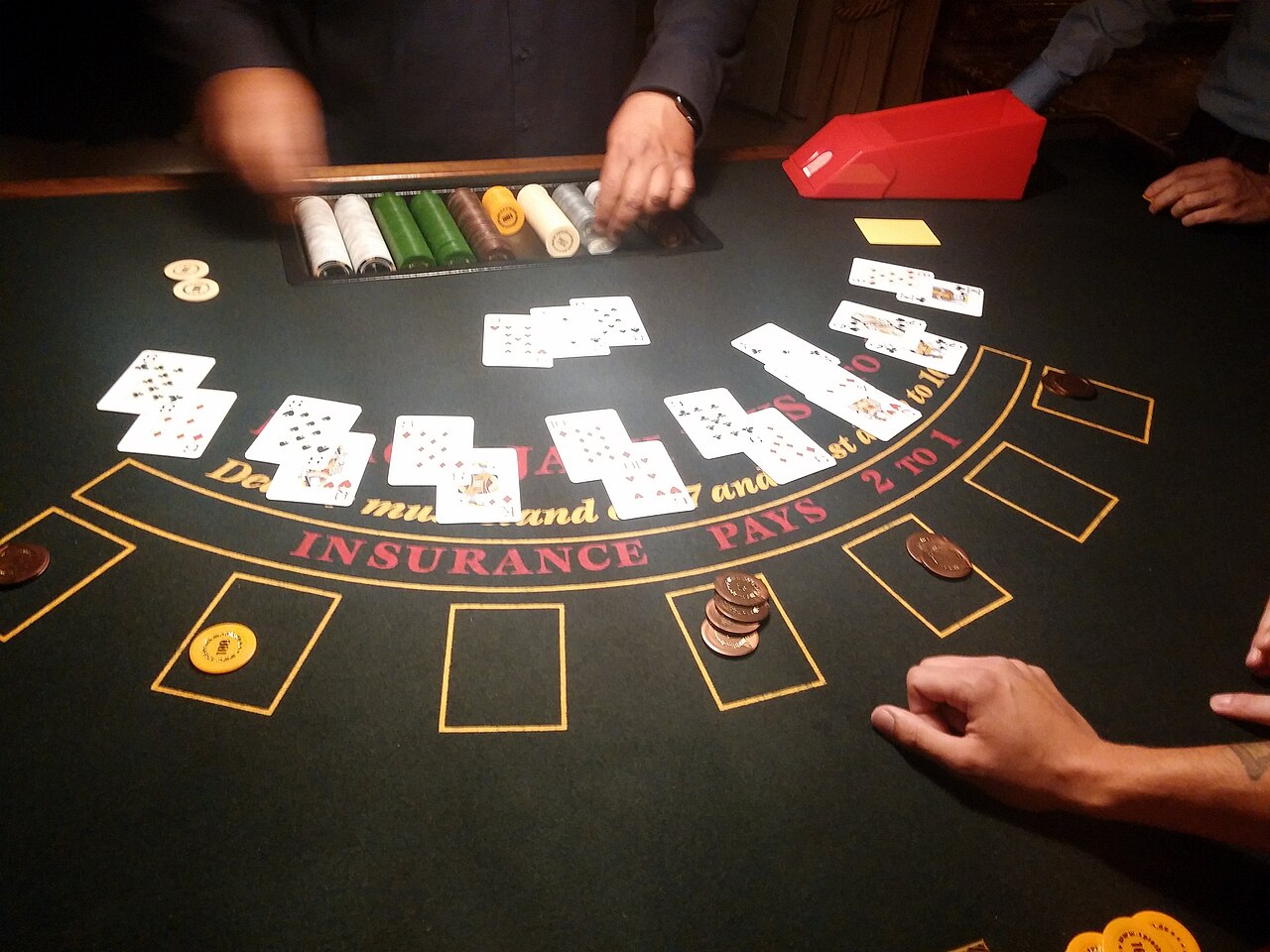
Some tables return 6 to 5 on a natural instead of 3 to 2. On the rule card it reads like a footnote. In the arithmetic it is the largest number on this page.
| Your bet | 3 : 2 pays | 6 : 5 pays | You lose |
|---|---|---|---|
| ₹500 | ₹750 | ₹600 | ₹150 |
| ₹1,000 | ₹1,500 | ₹1,200 | ₹300 |
| ₹2,500 | ₹3,750 | ₹3,000 | ₹750 |
| ₹5,000 | ₹7,500 | ₹6,000 | ₹1,500 |
One line of small print roughly quadruples the price. Naturals arrive about 4.75% of the time, and each one at a 6:5 table keeps three-tenths of your stake that a 3:2 table would have handed straight back to you. Multiply those two together and the rule adds around 1.42% to the house edge, dragging a properly played game from roughly 0.5% up towards 2%. The entire reason to prefer blackjack over roulette is gone, and no amount of correct play afterwards buys it back. Your cards cannot repair a payout rule.
Your Options
Blackjack hands you genuine choices, which is what marks it out from every other game on the floor. Two of the buttons on screen are not choices at all.
Draw another card, or freeze your total and hand the decision back to the dealer. Cross twenty-one and the hand is finished on the spot, no matter what the dealer turns over afterwards.
Match your original stake and receive exactly one further card, then the hand is closed. On a hard eleven against a weak upcard, no other button in the game earns as much per rupee.
Break a pair into two separate hands, each carrying a stake of its own. Aces and eights get split every single time; tens and fives never do, however tempting the second hand looks.
Where the table offers it, give back half your stake and step out of the hand early. It earns its place on a hard sixteen facing a ten or an ace, and at almost no other point on the chart.
A separate wager, offered when the dealer shows an ace, that the face-down card is worth ten. The price is 2 to 1 on something that turns up 31% of the time, and 2 to 1 demands 33.33%.
The identical bet in a nicer jacket, pushed at you while you are sitting on a natural. Accept it and a 3:2 return collapses into a flat 1:1, bought at exactly the same poor rate.
The clearest way I can explain this game is to describe one evening in Balasamudram in late July. The rain came in from the Kazipet side at about seven and then refused to leave. Water standing in the lane, the street light going orange through it, nobody wheeling a two-wheeler out for anything. The match had been called off hours earlier. My phone was leaning against a steel tumbler on the dining table and the FairPlay live blackjack lobby was open mainly because there was nothing else worth opening.
I took a seat at a table with a ₹200 minimum and settled on forty hands, no more than that. Forty hands at a live table runs close to an hour once you count the shuffling and the other seats thinking. What I want to do here is walk through the hands that taught me something, because the reasoning behind each one is actually the whole game. A strategy chart pinned to a wall explains nothing on its own.
Hand four came out as a seven and a four. I took a card, caught a three, and sat on fourteen. Fourteen is a rotten total. It beats almost nothing the dealer is likely to build, and roughly one card in three finishes it off. The dealer upcard was a six.
Find the six in the table above and it busts 42.3% of the time, the highest figure in the whole column. So I did the thing that feels like giving up and stood on fourteen. The hole card came over as a seven for thirteen, the next card off the shoe was a ten, and that was twenty-three. My ₹200 turned into ₹400 without my fourteen ever needing to be any good.
Nine hands later the same shape appeared. I stood on fifteen against a five and the dealer put together nineteen from three small cards. That one cost ₹200. Both decisions were correct. Only one of them paid, and if you cannot hold those two thoughts at once, an hour of blackjack will be an unpleasant hour.
That is the mechanic everything else is built on. Against a 2 through a 6 the dealer is the one holding a hand that has to improve and can break while improving, so your job is to stay in the pot and let it happen. Against a 7 or better the dealer is comfortable, breaks between 26.2% and 11.5% of the time, and sitting on fourteen just loses slowly and politely. Then you draw, and yes, some of those draws bust you.
Every other table in the building charges a flat fee for the privilege of sitting down. Andar Bahar takes 2.15% of every bet whatever you do with it. European roulette takes 2.70% and does not care which numbers you like. Baccarat is 1.06% on the banker and equally indifferent to your reasoning.
Blackjack is the exception because your decisions sit inside the maths rather than beside it. Play the chart and the cost drops to somewhere near half a percent. Play on instinct and it climbs to several times that. So the trade the game is offering is quite plain: a bit of homework in exchange for the best price on the site. If the homework does not appeal, Andar Bahar and baccarat will treat a casual player more kindly, because they ask nothing of you and charge a fixed rate for asking nothing.
Somewhere around hand twenty the dealer upcard was an ace and the screen offered me insurance for ₹100, half my stake. There is a countdown on the button. The wording is soothing, which should tell you something on its own.
Here is the arithmetic sitting behind it. Insurance returns 2 to 1, so the face-down card needs to be worth ten at least a third of the time before the bet is even fair. A six-deck shoe holds 96 ten-value cards. Once the dealer ace and my two cards were out there were 309 I could not see, which puts the real figure at 31.07% against the 33.33% the price demands.
That shortfall is a 6.80% house edge, worse than anything else on the site and more than double what a roulette spin costs. I declined. The hole card was a four, the dealer drew up to eighteen, my seventeen lost, and I was ₹200 down instead of ₹300 down.
Twice more that evening the hole card was a ten and insurance would have paid. That is exactly why the button survives. It looks like judgement roughly 31% of the time, and it is a losing bet on every single occasion you press it. Even money is the same thing under a friendlier name: hold a natural, watch the dealer show an ace, and get offered a flat 1:1 rather than the 3:2 you are entitled to. Decline both, including on the hand where declining turns out badly.
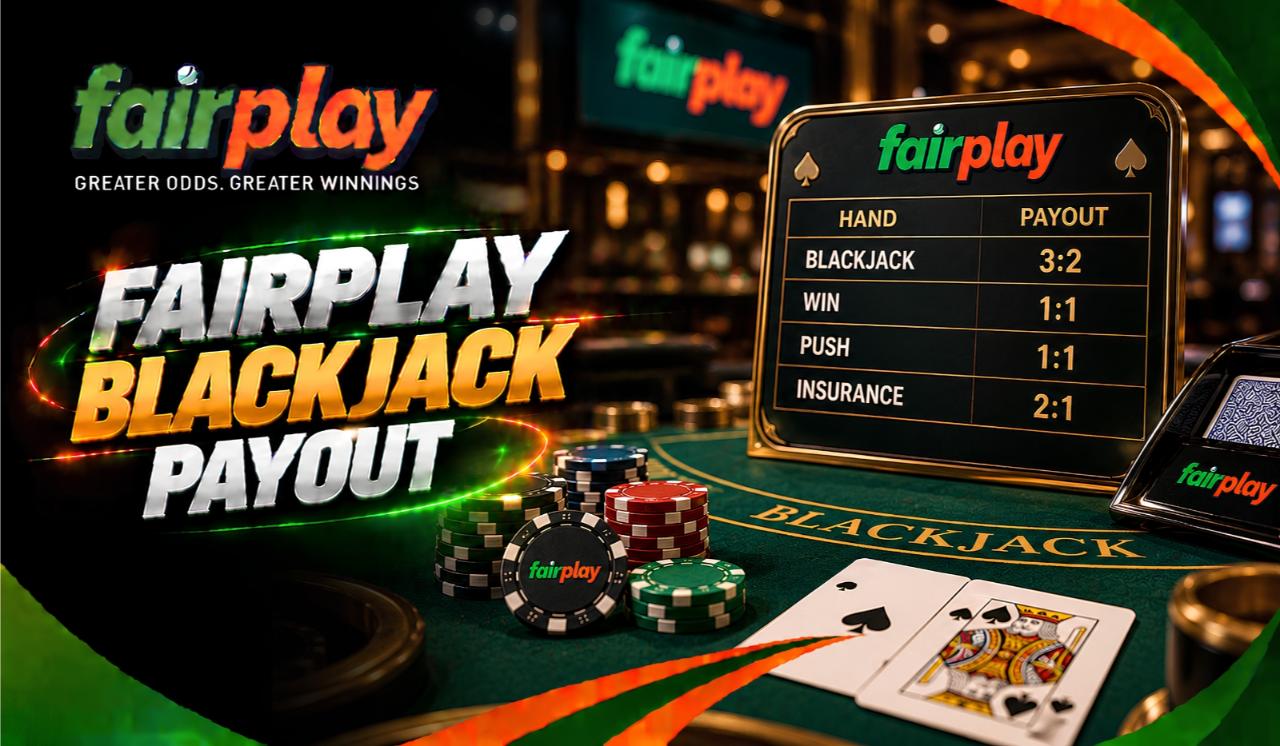
A full chart runs to hundreds of cells and you do not need any of that to sit down tonight. Four rules do most of the lifting. Split aces and eights every time. Never split tens or fives. Put a second bet on a hard eleven unless the dealer shows an ace. Stand on hard twelve through sixteen when the dealer shows 2 through 6, and take a card when they show 7 or better.
I learned those on ₹50 RNG tables over a couple of weeks, mostly in twenty-minute pieces on the bus down the Hyderabad road and once during a long wait at Kazipet junction when the passenger was running ninety minutes behind. At ₹50 a hand a wrong decision costs less than a plate of bajji from the stalls near Pochamma Maidan, and a mistake you actually paid for sticks in the head far better than one you read about. The awkward cells, soft seventeens and the surrender line, turn up later and there is no hurry about them.
Hand thirty-three was a hard sixteen with a queen looking back at me. This is the worst position the game can put you in and it is better understood in advance than during.
Take a card and you go over more often than not. Stand and you lose to every total from seventeen upwards, and a ten-value upcard only breaks 21.2% of the time. Both roads lose money across a long enough stretch. The chart is not telling you how to win the hand, it is telling you which loss is smaller. Surrender if the table allows it, otherwise hit.
I hit, caught a four for twenty, and the dealer had nineteen. That is not proof the play was clever. Losing a hand you played correctly proves nothing either, and the players who tear up their whole approach after two bad sixteens are the reason the real house edge on careless blackjack sits several times above 0.5%. A small edge looks exactly like this from the inside: noisy, uneven, and only visible over hundreds of hands.
Nothing about that evening was specific to Warangal apart from the rain and the steel tumbler. The account is not a local branch. The same login opens the same lobby from a flat off Hunter Road, from a reading room near Kakatiya University, from a hotel in Hyderabad, from a cousin place in Vijayawada, and from a train somewhere past Kazipet as long as the signal holds up.
Balances sit in rupees. Deposits go in over UPI the ordinary way, and the table minimums, the maximums and the payout rules do not shift because your pin code did. A hand dealt to somebody in Guwahati comes off the same shoe logic and carries the same edge as the one dealt to you in Hanamkonda. Bonuses, limits and verification rules are national too, so nobody gets a quietly worse table for living outside a metro.
What genuinely does change is the legal position, because gaming in India is settled state by state rather than centrally. Read FairPlay India for how that works before you put money in, and check where your own state stands. If you already hold an account, FairPlay login is the same door on every device, and a session started on the phone picks up on a laptop without any fuss.
If none of the above applies because you have never signed up, the order of operations is short. FairPlay register wants a mobile number, an OTP and a password. Identity verification comes after that, and it is worth finishing on the first day rather than on the evening you finally want to withdraw, because an unverified account is exactly where a withdrawal stalls. Keep the name on your FairPlay ID matching your bank records and that whole step takes a few minutes.
Then put in something small. UPI lands instantly and a first deposit does not need to be brave. Do not walk straight onto a live ₹200 seat. Open an RNG blackjack table at ₹50, keep the four rules beside you, and play until standing on twelve against a seven stops feeling like a gamble and starts feeling like a chore. That is the moment a live table is worth the extra money, and the rupees you did not lose while learning are real rupees.
Blackjack attracts a particular sort of pitch, and the groups that circulate around here get the same forwards as everywhere else. Three of them come round often enough to be worth naming.
Counting apps. Card counting needs deep penetration into a shoe that does not get reshuffled. RNG blackjack builds a fresh virtual deck for every hand, so there is nothing to count. Live tables use continuous shufflers or cut early and reshuffle before the shoe runs thin. An app charging a monthly fee for a running count on online blackjack is selling a number with nothing attached to it.
Progression systems. Doubling your stake after every loss does not touch the house edge by a single basis point, it only rearranges when the damage arrives. Say you are flat-betting ₹200 and you lose six hands in a row, which is nothing unusual over an evening. The seventh stake is ₹12,800, and the table maximum or your own nerve shows up long before the recovery does.
Account handling. Someone offers to play on your behalf, or to sort out a bonus, and needs your login and an OTP to do it. Nobody from customer support will ever ask for your password or an OTP, and the instant somebody does, the conversation is finished. Withdrawals go to a bank account in your own name, which is deliberate, and it is why handing your credentials to a helpful stranger is not a shortcut but a donation. Bookmark the real login page rather than following a link out of a group chat.
RNG blackjack opens at about ₹50 and live dealer tables generally sit between ₹100 and ₹200, with VIP seats well above that. The studios deal through the night on IST, so a table is waiting at two in the morning when the day heat has finally let go and sleep has not arrived. That availability is useful and it is also the thing to keep an eye on.
Live tables are slower, and slower is better while the four rules are new. A live dealer leaves you a few seconds to look at the upcard and think. An RNG table will happily let you push through a hundred hands before you have properly considered one of them, and a hundred quick hands at the wrong edge is how a quiet evening turns expensive.
Two things to check before you sit: what a natural pays, and whether the dealer draws or stands on soft seventeen. Both are printed in the table information and both move the price of the game more than any decision you will make afterwards. Deposit caps, session reminders and cooling-off periods live in your account settings, and responsible gaming explains each of them. The casino page lists the edge on every game in one place if you want to see where blackjack sits against the rest.
I stopped that night at forty hands as planned, ₹600 to the good, which proves absolutely nothing. The forty hands were the point. The ₹600 was weather, same as the rain still coming down outside.
FAQ
Strategy, insurance, table rules and the small print that moves the price.
About 0.5% if you follow the chart at a table with reasonable rules, which makes it the cheapest seat on the floor by some distance. Andar Bahar sits at 2.15% and European roulette at 2.70%, and neither budges no matter how you bet. The catch buried in that 0.5% is the phrase follow the chart. Somebody guessing their way through pays several times that, because blackjack is the one game here where your own decisions are part of the price.
No, not once, not even on the hand where it would have paid. Insurance returns 2 to 1, so the hidden card needs to be a ten-value card 33.33% of the time before the bet is merely fair. A six-deck shoe carries 96 ten-value cards, and once the dealer ace and your two cards are out there are 309 you cannot see, which puts the real figure at 31.07%. That gap is a 6.80% house edge, the most expensive thing on the site. It gets sold to you at the precise moment you feel exposed, which is not an accident.
It is a table that returns 6 to 5 on a natural rather than the standard 3 to 2. Put ₹1,000 out, hit a natural, and you collect ₹1,200 where you should have collected ₹1,500. That is ₹300 missing from a hand you actually won. Naturals arrive roughly 4.75% of the time, so the shortfall adds about 1.42% to the house edge and drags a well-played game from around 0.5% up towards 2%. Every reason to choose blackjack over roulette disappears at that one table. The payout is printed in the table information, so read it before you take a seat.
Because it tells you how much trouble the dealer is in, and that decides whether you take a risk or sit still. A dealer showing a 6 finishes over twenty-one 42.3% of the time. A dealer showing an ace does it 11.5% of the time. Facing the 6 you can stand on a miserable total and let the dealer break on their own. Facing the ace you have to build something, because standing on fourteen and hoping does not work often enough to pay for itself.
A hard sixteen with a ten-value card staring back at you. Draw and you go bust more often than not. Stand and you lose to every total from seventeen upwards, and a ten only breaks 21.2% of the time. Neither road makes money, which is the honest answer nobody enjoys hearing. The chart is picking the cheaper loss rather than a win: surrender if the table allows it, otherwise take the card. It feels wrong because it is genuinely a losing spot however you handle it.
Not in any useful way. RNG blackjack builds a fresh virtual shoe for every single hand, so a running count has nothing to run across. Live dealer tables either use continuous shuffling machines or cut early and reshuffle long before the shoe gets thin, which removes the deep penetration counting depends on. Anybody charging a monthly fee for a counting app aimed at online play is selling a number with no meaning behind it.
Not the whole thing, and certainly not on day one. Four rules cover most of the value: split aces and eights always, split tens and fives never, double a hard eleven unless the dealer is showing an ace, and stand on hard twelve through sixteen when the dealer shows 2 through 6. Get those four right and you have collected most of the distance between guessing and playing properly. The fiddly cells, soft seventeens and the surrender line, can wait until ₹50 tables have made the basics automatic.
RNG blackjack opens at around ₹50, live dealer seats usually run between ₹100 and ₹200, and VIP tables climb well past that. Every table shows its minimum, its maximum and its full rule set before you sit down. Read the rule set rather than skimming it, because what a natural pays and whether the dealer draws on soft seventeen both change the price of the game more than any decision you will make with your cards.
Better for learning, yes, mostly because it is slower. A live dealer gives you a few seconds to look at the upcard and think, while an RNG table will let you fire off a hundred hands before you have properly considered one of them. Speed is what turns a small edge into a real loss, so the pace is worth paying for while the four rules are still new. Once the decisions are automatic, the RNG tables at ₹50 are the cheaper place to put in volume.
Yes. One login opens the same lobby from Warangal, Hyderabad, Kochi or Guwahati, balances stay in rupees, and deposits go in over UPI the same way everywhere. Table minimums, payout rules and the house edge do not shift because your pin code did. What does vary is the legal position, since gaming is decided state by state, so read the FairPlay India page before you fund an account and check where you actually sit.
Explore FairPlay