
French wheel with La Partage
Land in zero with an even-money bet at this table and half the stake comes back rather than all of it going. That drops red/black, odd/even and high/low to 1.35%, which is as cheap as the game gets anywhere.
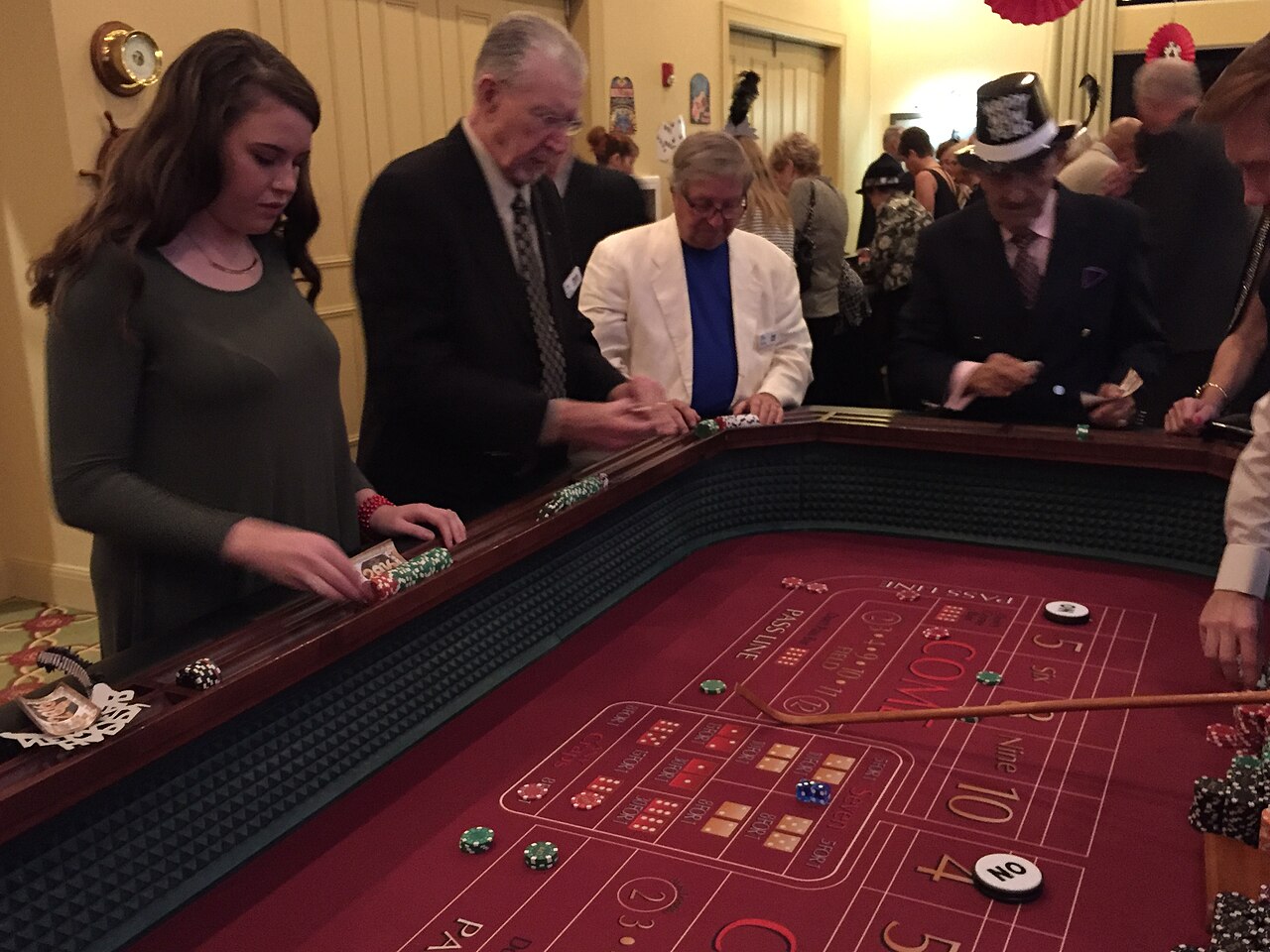
European, French & Lightning
Every bet on a European layout costs the same 2.70%. A straight-up number and a flat bet on red are priced identically; all that changes is how lumpy the ride feels. Below is the full payout chart, the one table decision that genuinely matters, and what doubling up costs in rupees on the night it fails.
Payout Chart
Read the last column first. A single-zero wheel takes 2.70% of every rupee you stake, whichever square the chip is sitting on, which makes the layout a menu of moods rather than a menu of prices.
| Bet | Covers | Pays | Wins | House edge |
|---|---|---|---|---|
| Straight up | 1 number | 35 : 1 | 2.70% | 2.70% |
| Split | 2 numbers | 17 : 1 | 5.41% | 2.70% |
| Street | 3 numbers | 11 : 1 | 8.11% | 2.70% |
| Corner | 4 numbers | 8 : 1 | 10.81% | 2.70% |
| Six line | 6 numbers | 5 : 1 | 16.22% | 2.70% |
| Column or Dozen | 12 numbers | 2 : 1 | 32.43% | 2.70% |
| Red/Black, Odd/Even | 18 numbers | 1 : 1 | 48.65% | 2.70% |
The reason they all level out. Take the payout, add one, then multiply by the slice of the wheel you have covered. A straight-up number gives you 36 × 1/37. Red gives you 2 × 18/37. Both land on 36 over 37, and so does every other square on the felt. Which is why the only choice that moves your expected cost is the wheel itself, never the placement of the chip on it.
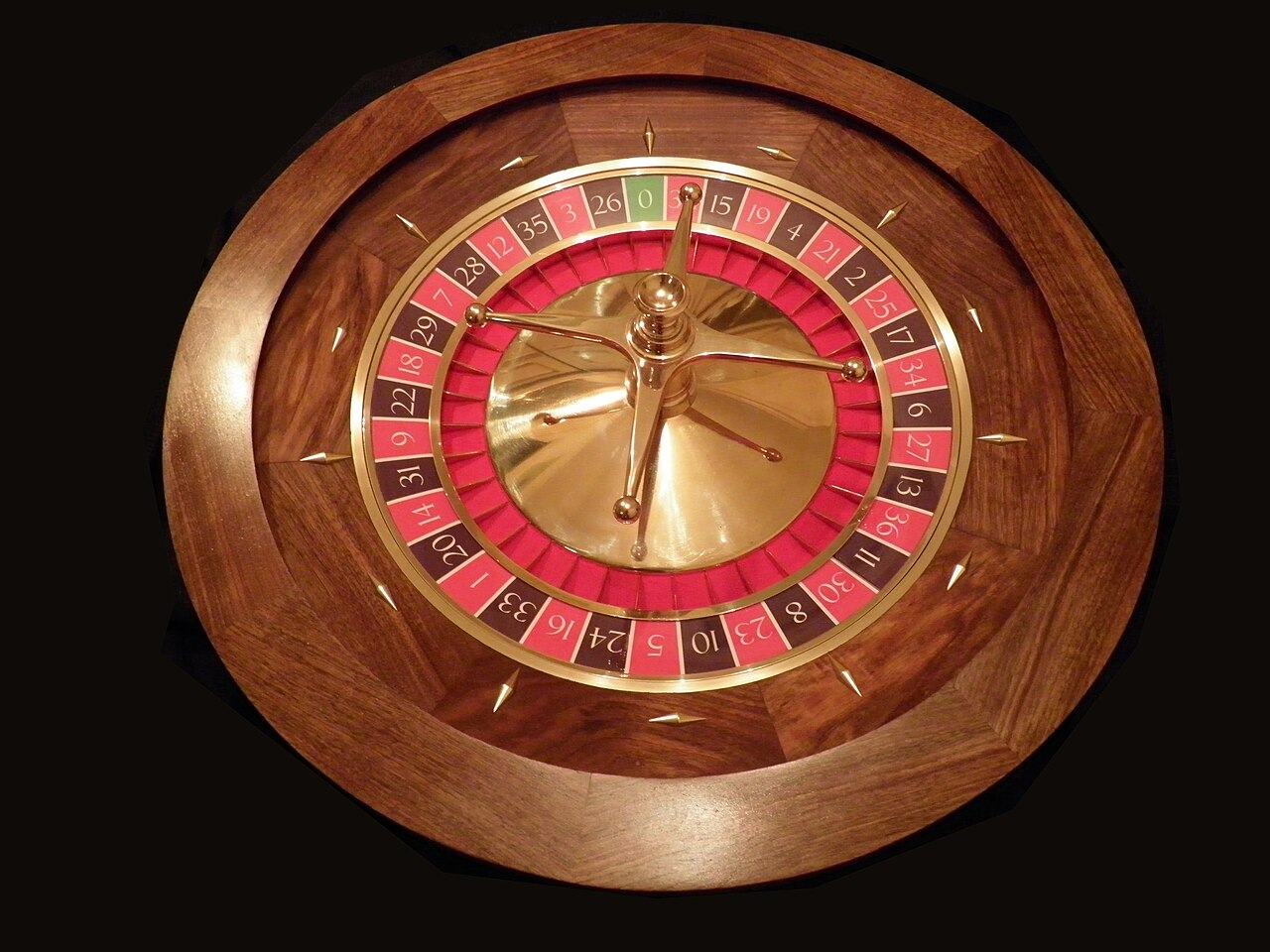
Which Table
Six versions of the same game, priced anywhere between 1.35% and 5.26%. Getting this right before you sit down beats every clever thing you might attempt afterwards.
Land in zero with an even-money bet at this table and half the stake comes back rather than all of it going. That drops red/black, odd/even and high/low to 1.35%, which is as cheap as the game gets anywhere.
One zero, thirty-seven pockets, 2.70% on every square of the felt. Nothing at all wrong with it — this is the sensible seat when no French table happens to be open.
A double zero takes the count to thirty-eight pockets and the cost to 5.26%. Same felt, same rhythm, nearly twice the price, and not one thing handed back in return.
A handful of numbers are given multipliers of up to 500x before the ball goes in. Those are funded by paying under 35:1 on the straight-up wins that miss the multiplier.
A real wheel, a real croupier, and roughly twenty seconds to get chips down. Fewer spins per hour than software, which quietly makes it the cheaper way to sit for an evening.
The other French zero rule. Rather than handing half back, the table locks your even-money bet in place for one more spin. Different mechanism, much the same result.
The System, Priced
Nearly everybody tries this at some point. Here is the exact ladder it builds from a ₹100 opening bet, and how often the wheel walks you all the way up it.
| After this many losses | Next stake | Total staked |
|---|---|---|
| 1st bet | ₹100 | ₹100 |
| 2nd | ₹200 | ₹300 |
| 3rd | ₹400 | ₹700 |
| 4th | ₹800 | ₹1,500 |
| 5th | ₹1,600 | ₹3,100 |
| 6th | ₹3,200 | ₹6,300 |
| 7th | ₹6,400 | ₹12,700 |
| 8th would be | ₹12,800 | ₹25,500 |
A run of seven losses turns up roughly once in every 106 sequences. An even-money bet on a single-zero wheel goes down 51.35% of the time, so seven on the trot is about a 0.94% event — common enough to meet on an ordinary Tuesday. By that point ₹12,700 has gone through the table in pursuit of ₹100, and the ladder is asking for ₹12,800 more. Usually the table maximum ends it. Sometimes the balance gets there first.
This page started on a Thursday in August, with the Kathajodi up near the steps at Gadagadia Ghat and rain coming off the roof in a solid sheet. The club match at Barabati had been called off before lunch. My cousin had come across from Bhubaneswar on the morning bus, got as far as Badambadi, and was now parked on my sofa with wet shoes and nowhere in particular to be. So we made tea, propped the phone against the sugar tin, and opened a European wheel with ₹2,000 in the balance.
The plan was deliberately dull. ₹100 on red, every spin, no chasing, stop when the rain stopped. Neither of us was trying to prove a system. We wanted to watch an hour of roulette closely enough to describe it honestly, because most of what gets written about this game is written by people who have never sat through a flat, boring sixty spins of it in a first-floor flat in Buxi Bazaar with the fan on and the power flickering.
That hour is the spine of everything below. The chart at the top of this page is correct, but a chart cannot tell you what the game feels like while the water comes down outside and the balance moves a hundred rupees at a time. The two together can.
A round is shorter than people expect. The table opens, a chip tray sits along the bottom of the screen, and you tap a denomination — ₹10 and upwards on the software wheels — then tap the square you want. On a live table the croupier is often already spinning while you do it, and a counter in the corner shows how long is left. Twenty seconds or so, give or take.
We put ₹100 on red and waited. The ball goes in against the direction of the rotor, runs the track, and there is a moment where it drops down and skitters across the frets. Betting has closed well before that. The call comes with the ball still running, which is the part new players find abrupt, because you cannot add a chip once the drop starts to look promising.
Then it settles. The marker goes down on the winning number, losing chips are swept off the felt, and if red came in your ₹100 shows as ₹200 in the balance before the next round opens. A live table runs that whole cycle in a little under a minute and a half. A software wheel can be through the same cycle in fifteen seconds, which is worth sitting with for a moment — identical edge, several times the exposure per hour.
First spin came black. Second, black again. Third was 14, red, and we were level. That is the entire mechanic of the game. Everything else on this page is about what a long chain of those small rounds does to a balance.
By the time the rain thinned out we had played sixty-odd spins and the balance read ₹1,860. Down ₹140 on roughly ₹6,000 pushed through the table. Nothing dramatic had occurred. There was no cold streak worth complaining about and no run worth boasting about at the tea stall afterwards. The money had simply leaked, a little at a time, in the direction the arithmetic says it leaks.
That is the honest picture of a 2.70% edge. It is not a trap that springs shut. It is a slow, even charge on turnover, and turnover is the number to keep an eye on. ₹100 a spin on a software wheel for two hours is a far bigger number than ₹100 a spin on a live table for the same two hours, and the wheel is indifferent to which one you picked. Your balance is not.
The single decision that changes your expected loss is which table you sit at, and it is made before a chip moves. A French wheel running La Partage costs 1.35% on even-money bets. A European wheel costs 2.70% on everything. An American wheel costs 5.26% on everything, for a game that looks and plays exactly the same.
That is a fourfold spread between the cheapest and the dearest seat in the lobby, settled before the first spin. Ten seconds spent reading the table name is worth more than a whole evening of thinking about where the chip should go once you are seated. If a French table is open, take it. If none is, the European wheel is perfectly reasonable. The American one is never the right answer.
We were on a European table that night because nothing French was running at that hour, which happens often enough. Had La Partage been available, those same sixty spins on red would have cost noticeably less for identical play. Same chips, same tea, same boredom, cheaper hour.
Straight-up numbers sound reasonable when you say them out loud. One in thirty-seven, and a decent sitting runs to thirty-seven spins, so surely it comes out roughly even. Run the arithmetic and it does not. The chance your chosen number fails to show across 37 spins is 36.3%. Stretch it to 100 spins and there is still a 6.5% chance of nothing whatsoever.
So roughly one sitting in three spent backing a single number for thirty-seven spins ends with no win at all. That is not a cold wheel and it is not an unlucky night — it is precisely what a 2.70% hit rate looks like from the inside. Plenty of people enjoy single numbers anyway, and there is nothing wrong with that. The adjustment worth making is to size the stake for the drought rather than for the payout you are picturing while you place the chip.
My cousin, predictably, wanted to double after each loss. Everyone does, eventually. The Martingale hands you a long stretch of small, frequent wins, and because those wins arrive early and keep arriving, it feels for a while like a solved problem rather than a stake pattern.
The arithmetic never moves, though. Each spin is still 2.70% against you, and no arrangement of stake sizes alters the expected value of a chain of independent bets. What the ladder changes is the shape of the result: dozens of small gains, then one loss that swallows the lot. People remember the gains vividly and file the ending under bad luck.
Follow the table above all the way down. Seven losses in a row and ₹12,700 has gone in chasing a ₹100 profit, with ₹12,800 needed for the next rung. The maximum on the table usually ends the story before your balance gets a say, and that maximum is printed on the table before you join. It is the most useful number nobody reads.
Every table shows the last dozen or so results, and that display is entirely accurate and entirely useless as a forecast. A wheel keeps no record of itself. After six reds, black is not owed to anybody, and the number missing for two hundred spins is no likelier than the one that landed a moment ago.
Roulette is where this costs people the most, because the game hands you a scoreboard and then invites you to bet on the next line of it. If you catch yourself choosing numbers off that board, the board has begun charging you rent — the casino page sets out why independence between rounds sits underneath every game in the lobby, from the wheel to the shoe.
Nothing about your account is tied to a postcode. The wheel that loads in Buxi Bazaar loads identically in Nayabazar, in Bhubaneswar, on the bus out of Badambadi and in a hotel room three states away. Same balance, same tables, same limits, same minimum chip. There is no Odisha edition of the lobby and no local table list waiting behind a regional login.
That matters more than it sounds once you actually start moving around. My cousin plays the same account from his hostel in Bhubaneswar; during Bali Yatra, when half the city is down by the river and the mobile network gives up entirely, the account simply waits. Sign back in when the signal returns and the balance is exactly where you left it. FairPlay India covers how the account behaves across the country, and a FairPlay login works from whichever device you happen to have on you.
One practical note about live tables on a patchy connection. If the round closes while your signal is out, the bet you already placed still stands and still settles. It is the placing of chips that needs the connection, not the settling of them. On a monsoon evening here that distinction is worth knowing in advance rather than discovering halfway through a spin.
None of the above needs an account to read, but a table cannot be opened without one. Setting up takes a few minutes: a mobile number, a password, verification of that number, then money in before the wheels will let you sit down. FairPlay register walks through each field in order.
Two things are worth doing on day one rather than later. Put your own name on the account exactly as it appears on your ID, because the name on a withdrawal has to match the name on the bank account, and sorting out a mismatch afterwards is far more tedious than typing it correctly the first time. And add money through UPI in a small amount to begin with. ₹500 is plenty to sit at a ₹10 wheel and find out whether the game holds your attention at all.
Then open a European or French table, set the chip to the smallest denomination, and play thirty spins of red or black without trying anything clever. You will learn more about the rhythm of the game in that quarter of an hour than in an hour of reading about it, this page included. The chart is only useful once you have felt the pace it describes.
Search this game in Odia or in English and you will quickly find somebody selling a roulette method. It is usually a Telegram group, sometimes a WhatsApp forward doing the rounds of a college group in Cuttack, and the pitch is always some version of a pattern the wheel supposedly follows. No such pattern exists. Every square on a European wheel is priced at 2.70%, and a chain of independent spins cannot be arranged into an advantage by anybody. A person charging ₹2,000 for a system is not selling you a wheel trick; they are selling you a subscription.
The more expensive version asks for your login. It turns up as a message about a blocked account, a bonus that must be claimed tonight, or an agent offering to top up your balance at a discount if you send the money to a personal UPI ID first. Genuine support never needs your password and never needs the one-time code that lands on your phone. That code exists to keep other people out of your account, and reading it aloud to a stranger simply hands them the key.
Check the address in the bar before typing anything into it. Reach the site by typing it yourself rather than through a link somebody forwarded. And if a message manufactures urgency, treat the urgency itself as the warning. A real account issue will still be there in ten minutes, once you have opened the site the normal way and had a proper look. Anyone offering to play on your behalf is best declined outright — handing over an account is how people end up losing both the balance and any argument about where it went.
Software wheels open from around ₹10 a spin and live tables usually from ₹50 to ₹100, with inside and outside bets carrying their own separate floors and ceilings. Read the ceiling properly. It caps any doubling strategy, and it is the number that decides how a bad run finishes rather than how it starts.
A live dealer wheel turns around forty times an hour against several hundred on a software version, so at the same stake per spin it puts far less money through the same margin. Live tables are the cheaper way to spend an evening and the more sociable one as well — the croupier talks, the pace is human, and it is much harder to lose track of an hour. Deposit and session limits sit in your account settings if you would like a firmer ceiling than good intentions; responsible gaming lists all of them in one place.
That August evening finished at ₹1,860. The rain eased somewhere near nine and my cousin caught the last bus back from Badambadi, still convinced the wheel had been due a red. Down ₹140 for two hours of something to do while the water came off the roof. Priced honestly, roulette is entertainment with a known cost per hour, and that cost is almost entirely in your hands: the wheel you choose, the stake you set, and how many spins you let through before you stand up and go and find dinner.
FAQ
Wheels, payouts and the systems that do not survive contact with the arithmetic.
On a single-zero wheel, no bet beats another, and that is genuinely the useful answer. Straight up at 35 to 1 and red at even money both hand the house 2.70% of whatever you stake. The reason is arithmetic rather than policy: take the payout, add one, multiply by the slice of the wheel you have covered, and every square on the felt lands on 36 over 37. So the layout is a menu of moods. Inside bets are lumpy and rare, outside bets are frequent and flat, and per rupee staked they cost the same.
It matters a great deal, and it is the only difference. Thirty-seven pockets with one zero puts the cost at 2.70%. Thirty-eight pockets with a double zero puts it at 5.26%. The felt is laid out the same way, the croupier does the same things, the rounds run at the same pace, and you pay roughly double for an evening that feels identical. If both tables are open in the lobby, there is no argument for the American one. Read the table name before you sit down, because that ten seconds is worth more than every betting decision you make afterwards.
It halves the cost of the flat bets. On a French table running La Partage, a spin that lands in zero returns half your even-money stake instead of taking the lot, which pulls red/black, odd/even and high/low down from 2.70% to 1.35%. Nothing else about the game changes — same wheel, same payouts, same pace. It is the best-priced roulette on offer, so if a French table is running when you log in, take that seat over a European one. En Prison achieves something similar by holding the bet for one more spin rather than refunding half of it.
No, and the ladder on this page shows exactly where it breaks. Doubling after every loss on an even-money bet only turns dangerous after about seven losses in a row, and seven in a row arrives roughly once in every 106 sequences — often enough to meet on an ordinary evening, not once in a lifetime. Starting from ₹100, those seven bets put ₹12,700 through the table chasing a ₹100 profit, and the next rung asks for ₹12,800. Either the table maximum ends it or your balance does, and that single loss swallows every small win the ladder produced on the way up.
Much longer than one-in-thirty-seven makes it sound. Work the arithmetic through and there is a 36.3% chance your chosen number fails to appear across 37 spins, and still a 6.5% chance of nothing across 100. Roughly one session in three spent backing a single number for thirty-seven spins therefore ends with no win at all. That is not a cold wheel and it is not bad luck; it is simply what a 2.70% hit rate looks like from the inside. If you enjoy single numbers, size the stake for the drought rather than for the payout you are picturing.
Not as a forecast, no. The display beside the wheel is an accurate diary of what already happened and carries no information about the next spin, because a wheel keeps no record of itself. After six reds, black is not owed to anybody, and a number missing for two hundred spins is no likelier than the one that just landed. Roulette is where this misunderstanding costs people the most, since the game hands you a scoreboard and then invites you to bet on the next line of it. If you are picking numbers off that board, the board has started charging you rent.
Before the ball goes in, a few numbers are drawn at random and given multipliers of roughly 50x up to 500x. A straight-up bet that lands on one of those numbers pays at the multiplier instead of the standard 35 to 1, which is the whole appeal. The money comes from somewhere, though: straight-up wins on numbers that were not multiplied pay less than they would at an ordinary table. So the big nights are funded out of the ordinary ones, and the average outcome is not improved by the fireworks.
Software wheels generally open from around ₹10 a spin, live dealer tables from about ₹50 to ₹100, and VIP rooms sit well above that. Inside and outside bets usually carry their own separate floors and ceilings, and all of it is printed on the table before you join. The maximum deserves more attention than it gets, because it is the ceiling on any doubling strategy and therefore the number that decides how a bad run finishes. Check it once at the start and you will never be surprised by it halfway down a losing ladder.
Explore FairPlay