
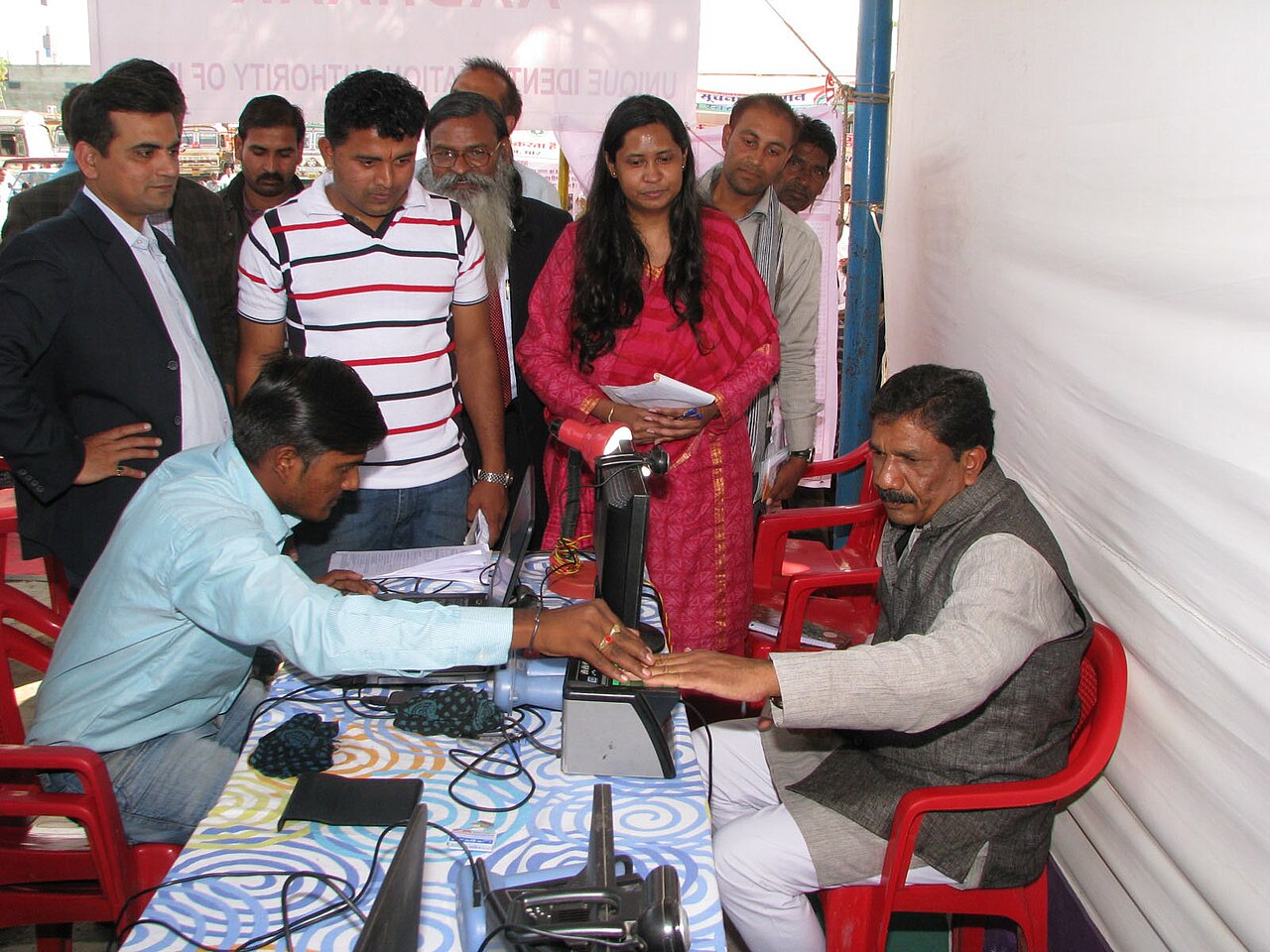
Verification acts as a strict gatekeeper between your accumulated winnings and your bank account. It is a compliance requirement enforced by financial regulators, not merely a policy created by the operator. When the system demands fairplay kyc documents, it is verifying that the person withdrawing funds is the same individual who deposited them. This process prevents money laundering and identity theft. For the user, it is often the first significant administrative hurdle. The excitement of a win on a cricket match turns into a waiting period. The interface locks the withdrawal function. The balance remains visible, but it is untouchable. This happens to every new account eventually. The requirements are specific. They involve government-issued IDs and proof of residence. If the documents are not in order, the payout is delayed indefinitely. Understanding the mechanics of this process saves time. It prevents the frustration of a rejected application. You can initiate this process directly from the <span>the FairPlay homepage</span> once logged in.
When the System Asks for Proof
The request for verification rarely happens during the initial registration phase. Most users can sign up and deposit funds without showing an ID. The trigger is almost always linked to a withdrawal request. You win a bet on <span>Cricket</span> or a hand at a table game. You request a payout to your UPI ID or bank account. Instead of an instant transfer, the status changes to "Pending Verification". This is an automated security flag. It activates when the withdrawal amount crosses a specific threshold set by the risk management system. It can also trigger if the account age is low or if the login location changes drastically compared to the registered address.
The Withdrawal Trigger
The system effectively freezes the funds during this review. You cannot cancel the withdrawal manually while it is under review. You must complete the process to get the money returned or sent out. This is why experienced bettors verify immediately after joining. Waiting until you urgently need the money is a mistake. It adds a delay of hours or days to your payout. The platform will not process the transaction until the compliance team signs off. This is a rigid rule. There is no way to bypass it. In some cases, the trigger is random. The platform performs periodic audits. If your account is selected, you will see a notification on the dashboard. If you hit a <span>Responsible Gaming</span> limit, it might also prompt a review to ensure the account holder is in control. The <span>Withdrawal</span> button remains greyed out until the process is complete.
Security Flags
Automated systems look for inconsistencies that suggest fraud. A sudden large withdrawal from a new account is a red flag. Multiple failed login attempts from different IP addresses can also trigger a lock. The system is designed to protect the platform and the user. However, it can feel intrusive. The notification will specify exactly which documents are needed. It is usually a combination of identity proof and address proof. Ignoring this notification does not make it go away. The account will eventually be restricted from all gaming activities until the status is resolved. It is best to act immediately when the prompt appears.
Primary Identity Documents
In India, the PAN card is the primary document for financial transactions. It is the most widely accepted ID for betting sites. It links your identity to your tax record. The system reads the name and the PAN number. It checks that the ID is not blacklisted or reported lost. When uploading, ensure the image is high-resolution. A photo of a photo is often rejected. The text must be readable. The hologram should not flare out the letters. If your name has a middle name, it must be visible. Your <span>FairPlay ID</span> is permanently linked to the number you provide here, so accuracy is vital.
The PAN Card Standard
The PAN card is preferred because it is standard across all banks. The name on the PAN card must match the name on the bank account exactly. If there is a discrepancy, the verification will fail. The image should show the full card. Do not crop the edges. The system uses the edges to detect the document type. A black and white scan is usually accepted, but a color photo is better. It allows the system to see the security features. Ensure the card is not expired. While PAN cards do not technically expire in the same way passports do, the system checks the issue date to ensure it is a current format.
Aadhaar and Alternatives
The Aadhaar card is another option, but it comes with caveats. Some operators avoid it due to the Unique Identification Authority of India's guidelines on data privacy. However, many accept it as a valid proof of identity. If using Aadhaar, ensure the image is not cropped. A Passport or a Driving License is also valid. These are useful if you do not have a PAN card. However, they must be current. An expired passport is not a valid identity proof. The date of birth is critical. The system checks this to ensure you are above the legal age. If the DOB is unclear on the document, the verification fails.
Address Proof Requirements
Proof of address is required to verify your residency. This is distinct from identity. The document must show your current living address. A utility bill is the standard form of proof. This includes electricity, water, or gas bills. The bill must be in your name. It must be recent, typically dated within the last three months. A bill from six months ago is considered stale. It will be rejected automatically. The system checks the date. If you live in <span>FairPlay Mumbai</span> or other major cities, the pin code must match the state you selected during registration.
Utility Bills and Dates
The name on the utility bill must match the name on your ID. If the electricity bill is in your spouse's name, it will not be accepted. The address must be legible. Often, utility bills are printed in small fonts. A high-resolution scan is necessary. The bill should show the provider's logo and the service address. A simple receipt for payment is not enough. It must be the actual bill or a statement of account. If you receive e-bills, download the PDF and upload that. It is clearer than a screenshot of an email. Ensure the PDF is not password protected. The system cannot open password-protected files.
Bank Statements and Renters
Bank statements are a strong alternative for address proof. A PDF statement downloaded from your net banking portal works well. It must show your name and the full address. A passbook scan is also accepted, provided the address page is updated and stamped by the bank. A simple transaction receipt or a cheque leaf is not sufficient. These do not contain the address. Renters often face issues here. The utility bill is usually in the landlord's name. This creates a mismatch. In this case, a rental agreement is required. It must be notarized or registered. It is safer to use a bank statement if the utility bills are not in your name. <span>FairPlay India</span> rules strictly enforce the address matching to comply with local laws.
The Name Mismatch Problem
The most common reason for rejection is a name mismatch. The system compares the name on your ID with the name on your bank account. They must match character for character. If your PAN card says "Rahul Kumar Sharma" and your bank account is "Rahul K. Sharma", the system may flag it. If the bank account is in a nickname like "Raju", it will be rejected. This is an anti-money laundering rule. The platform cannot allow funds to move to a third-party account. This rule also applies to UPI IDs. If your UPI ID is linked to a bank account with a different name, the withdrawal will fail.
Bank Account Discrepancies
Many users in India have bank accounts with slight variations in spelling. This often happens due to data entry errors at the bank branch. You might not notice this until you try to withdraw. The verification system is strict. It does not allow for fuzzy matching. If the names do not align, the withdrawal is blocked. You can check your bank details via the <span>Payment Methods</span> section of the site. If you find a mismatch, you must update your bank records first. This involves visiting the bank branch with your ID. Once the bank updates the name, you can resubmit the proof to the betting site.
Third-Party Rules
Many users use a family member's UPI for convenience. This is not allowed. The betting account must be in your name, the ID must be in your name, and the bank account must be in your name. If there is a legitimate spelling error in your bank records, you may need to provide a declaration. However, this slows down the process significantly. If you encounter a name mismatch error, check the documents carefully. Look for middle names, initials, and suffixes. Sometimes the bank omits a surname. If the documents are clearly the same person but the spelling varies slightly, you can contact <span>Customer Support</span>. They may be able to override the system if you provide an affidavit or a bank letter confirming the discrepancy.
Uploading Documents on App and Web
The method of upload affects the quality of the verification. The <span>FairPlay App</span> uses the smartphone camera. This is convenient but prone to user error. The most common issue is glare. Laminated PAN cards reflect light. If you use the flash, the text becomes a white blur. If you don't use the flash in a dim room, the image is grainy. The best approach is to take the photo near a window during the day. Natural light provides the best contrast. Hold the phone steady. A blurry photo results in a "Document Unreadable" rejection.
Camera Glare and Lighting
Position the camera directly above the document. Do not take the photo at an angle. This distorts the text and makes the OCR software fail. Ensure the background is contrasting. A dark table for a white document works best. Remove any other papers or clutter from the frame. The system should only see the ID. If there are other papers in the background, the automated check might get confused. It might try to read the wrong text. This leads to a rejection for "Multiple Documents Detected". Keep it simple. Just the ID on a plain surface.
File Sizes and Formats
The web interface allows for file uploads. This is superior if you have a scanner. A high-resolution PDF is often clearer than a camera photo. It removes the risk of glare and blurriness. However, there are file size limits. A 10 MB scan might be too large for the server to accept. You may need to compress the file. Ensure the format is supported. JPEG and PDF are standard. BMP or PNG files might not upload correctly. When uploading, ensure you upload the correct side of the document. Uploading the front twice is a common mistake. The system needs to see the back of the PAN card and the front of the Aadhaar card.
The Selfie and Liveness Check
Modern verification processes include a biometric step. This is the selfie or liveness check. It confirms that you are physically present and holding the ID. The system may ask you to hold a note with the date and the site name written on it. This prevents fraudsters from using stolen ID photos. The instructions must be followed precisely. If the note asks for "FairPlay", do not write "Fairplay". The case sensitivity matters in some automated checks. Do not use a filter on the photo. The system detects it and rejects it.
Holding the Note
The note serves as a timestamp. It proves the photo was taken recently. Use a dark pen on white paper. Write clearly. The text must be readable in the photo. Hold the note next to your face, not covering it. Your face must be fully visible. Do not wear a mask or a hat. The system maps your facial features. If your face is obscured, the check fails. If you wear glasses, ensure there is no reflection. Sometimes it is easier to remove them for the photo. Ensure the lighting on your face is even. Heavy shadows can hide your features.
Lighting and Backgrounds
The liveness check might ask you to turn your head or blink. This is to prove you are not a deepfake or a static image. Good lighting is essential here. If you are backlit, your face becomes a silhouette. The software cannot map your facial features. Remove hats and sunglasses. The eyes must be visible. A plain white wall is the best background. A messy room or a crowd of people can confuse the background subtraction algorithm. Once the selfie is accepted, you will need to perform a <span>FairPlay Login</span> to refresh the session. This updates your account status from pending to verified.
Processing Times and Queues
After you upload the documents, the waiting begins. The initial scan is automated. It checks for blurriness, expiry dates, and visible faces. This takes seconds. If the automated check passes, the file moves to a manual queue. A human compliance officer reviews it. This is not instant. It operates on business hours. If you submit at 2 AM on a Sunday, the review likely starts Monday morning. Indian public holidays also add to the delay. If the festival season causes a bank holiday, the verification team might be working with a skeleton staff.
Business Hours and Holidays
The verification team is usually based in a specific time zone. You should account for this when calculating wait times. Do not expect a verification on a Sunday. Do not expect it during Diwali or Christmas. The team processes queues in the order they are received. Submitting multiple tickets does not move you to the front of the line. It clogs the system. It is better to wait patiently. The status in your account will change from "Pending" to "Verified" or "Rejected". Do not resubmit documents while the status is "Pending". This duplicates your entry in the queue and resets your position.
Peak Season Delays
The volume of requests affects the timeline. During major tournaments like the IPL, the number of new signups spikes. The verification queue grows longer. A standard review might take 24 hours. During peak times, it can take 48 hours or more. The status in your account will change from "Pending" to "Verified" or "Rejected". Do not resubmit documents while the status is "Pending". This duplicates your entry in the queue and resets your position. It only makes the wait longer. Once approved, you gain access to all payment options. The limits on withdrawals are raised. You can finally <span>Deposit</span> and withdraw without friction.
Failed Attempts and Re-submission
If the verification fails, you will receive an email. Do not ignore it. The email contains the specific reason for the failure. It might say "Address Proof Expired" or "Selfie Blurry". You must address this exact issue. If the address proof was too old, get a new bill. If the selfie was blurry, take a new photo. Do not upload the same image again. The system will reject it instantly for the same reason. Sometimes the reason is "Document Type Not Accepted". This means you tried to use a document that is not on the approved list.
Reading the Error Message
For example, a voter ID card might not be accepted for address proof if it lacks the current address. Switch to a bank statement or utility bill. If the rejection is for "Name Mismatch", check your bank account details. You may need to update your bank records or use a different account that matches your ID. If you believe the rejection is an error, you can reply to the support email. However, re-uploading is usually faster. If you fail multiple times, the account may be flagged for a manual interview. To avoid this, ensure high-quality images on the first try. A successful verification enables the ability to deposit and withdraw without friction. Check the <span>FAQ</span> for common error codes if you are stuck.
Correcting the Specific Error
Take the time to fix the specific problem pointed out by the system. If the edges were cropped, retake the photo showing the full border. If the text was upside down, rotate it before uploading. The system is literal. It does not have human intuition. It sees pixels. If the pixels do not match the expected pattern, it fails. By correcting the specific error, you ensure the next submission passes the automated check. Once you pass the automated check, you move to the manual queue. This is the final step. Once the human reviewer approves it, your account is fully verified.
More on how we approach numbers is on about FairPlay, and the tools for setting your own limits are on responsible gaming.